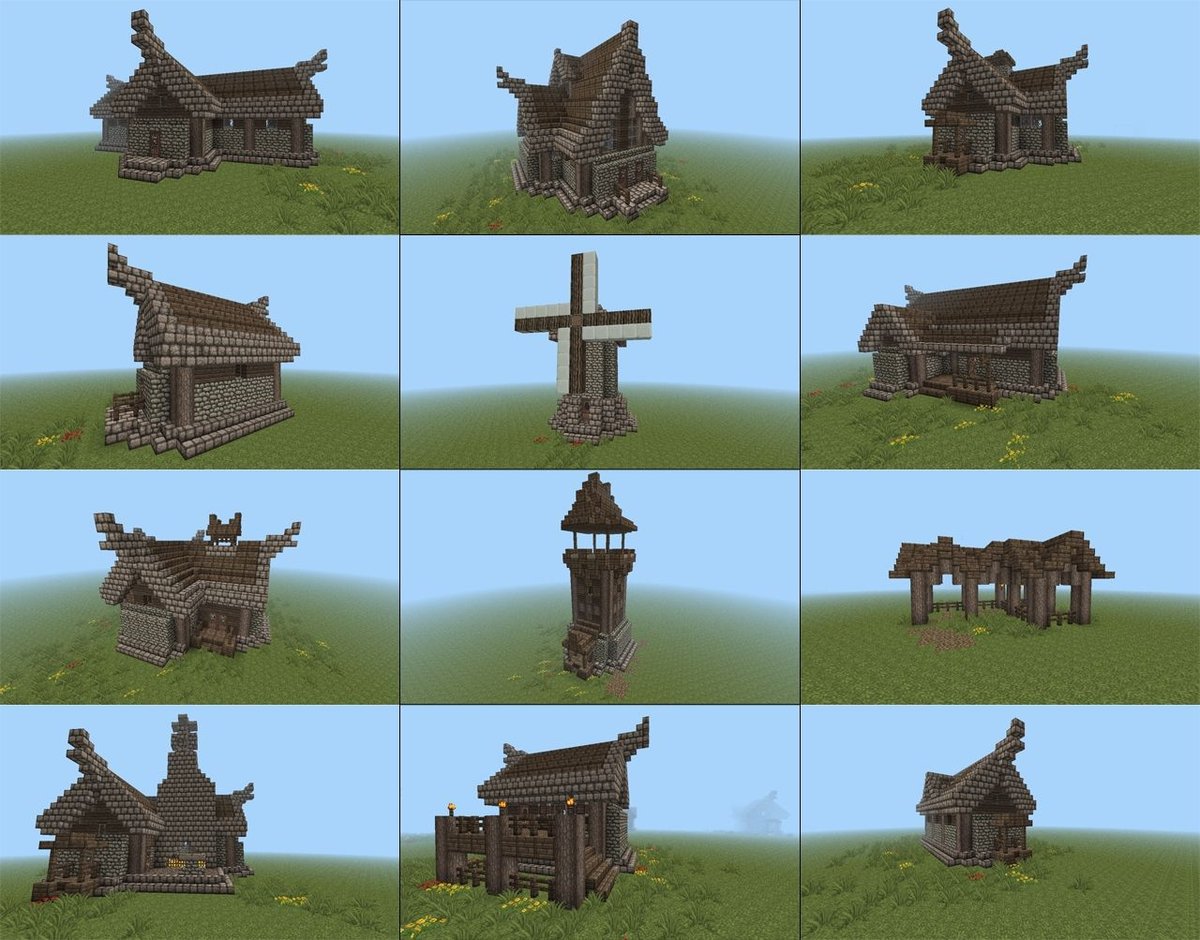
There's a unique satisfaction in crafting a corner of your Minecraft world that feels truly lived-in, a place where epic adventures unwind into quiet, cozy moments. And when it comes to infusing your digital landscape with warmth, history, and a touch of rugged charm, few themes deliver like Small Viking Builds & Decorations Minecraft. Forget the sprawling, resource-intensive castles; we're talking about compact, detail-rich structures and embellishments that bring a sense of hearth and home to your blocky realm, without demanding endless hours of quarrying or forest-clearing.
Whether you're a seasoned builder looking for a new creative outlet or a survival player aiming to establish a picturesque, functional base, scaling down your Viking ambitions opens up a world of delightful possibilities. These aren't just practical spaces; they're snippets of Norse life, telling stories with every plank, stone, and flickering lantern.
At a Glance: Your Guide to Cozy Viking Crafting
- Focus on Detail, Not Size: Small builds shine when every block choice and decorative element serves a purpose and adds character.
- Embrace Earthy Palettes: Stick to natural woods (spruce, dark oak), various stones (cobblestone, stone bricks), and deep, rich colors for authenticity.
- Prioritize Functionality: Even tiny builds can be highly functional – think compact workshops, efficient storage, or snug sleeping quarters.
- Decorate with Intention: Banners, weapon racks, custom furniture, and outdoor landscaping transform simple structures into vibrant Norse homes.
- Build Iteratively: Start with a basic shape, then layer on details and textures gradually. Don't be afraid to experiment.
- Leverage Terrain: Integrate your small builds naturally into hillsides, forest clearings, or by the water's edge for added realism.
Why Go Small? Embracing the Miniature Norse Life
The allure of massive Viking longhouses or imposing fortresses in Minecraft is undeniable. Yet, there’s a quiet power in the miniature. Building small means you can achieve a high level of detail without the overwhelming scale. It’s faster, less resource-intensive, and allows for more frequent creative bursts. Imagine populating a small valley with a cluster of distinct, cozy cottages, each with its own story, rather than just one monumental hall.
What defines "small" in the context of Viking Minecraft builds? Primarily, it refers to structures with a compact footprint – typically single-room or two-room designs, perhaps a small loft, or a focused functional area. Decorations, by their nature, are small, but here we’ll explore how to craft them into cohesive, impactful elements that complete your mini-masterpieces. The goal is atmosphere, functionality, and a sense of belonging, all within a manageable scope.
Foundation First: Essential Blocks & Palettes for Your Viking Venture
Before you lay down your first block, consider your palette. Authentic Viking architecture thrives on natural, often muted tones found in the Scandinavian landscape. This isn't just about choosing random blocks; it's about curating a collection that evokes the rugged beauty of the Norse world.
Key Materials to Stockpile:
- Woods: Spruce and Dark Oak are your best friends. Their darker hues lend themselves perfectly to the sturdy, weathered look of Viking structures. Use logs for structural beams, planks for walls and floors, and stripped logs for texture variations.
- Stones: Cobblestone, Stone Bricks, and Andesite are excellent for foundations, fireplaces, and accent walls. The rough texture of cobblestone contrasts beautifully with smoother wood.
- Terra Cotta & Concrete: For subtle color accents or roof detailing, brown, gray, or even a deep red terra cotta can add a touch of painted wood effect.
- Wool/Carpets: For interior warmth, white, gray, or brown wool blocks (or carpets) can simulate furs or woven rugs.
- Functional Blocks: Campfires (for smoke and warmth), Barrels (for storage and seating), Lanterns (for warm light), Grindstones (for texture), Looms (for banners), and Anvils (for workshops) are indispensable.
Crafting a Cohesive Look: Think about using contrasting textures. A smooth wall of dark oak planks looks richer when framed by rough spruce logs or supported by a cobblestone foundation. Varying block types within the same color family (e.g., stone bricks, cracked stone bricks, mossy stone bricks) adds age and realism to your essential Viking-era materials.
Cozy Corners & Functional Flair: Small Viking Build Ideas
Now, let's get down to the practical builds that will form the backbone of your cozy Viking settlement. These are designed to be compact, efficient, and packed with Norse character.
The Intimate Longhouse or Cozy Cottage
Forget the sprawling "Great Hall." We’re talking about a snug space, a true home for one or two villagers (or players!). This can be a scaled-down longhouse or a dedicated cozy cottage as described on OfZenAndComputing.
- Dimensions: Aim for a footprint around 7x9 blocks or 9x11 blocks. This allows for a main room and perhaps a small loft or attached shed.
- Key Features: A central fireplace (using a campfire under a chimney), a bed, a crafting area, and minimal storage are essential.
- Layout:
- Main Room: One large space for living, sleeping, and crafting.
- Loft (Optional): A small ladder to a sleeping area above the main floor helps maximize vertical space.
- Attached Shed: A 3x3 or 3x4 extension on one side can house extra storage or a small animal pen.
- Materials: Dark oak planks for walls, spruce logs for the frame and roof, cobblestone foundation, and a simple A-frame roof.
- Decoration: Inside, use barrels as tables, trapdoors for chairs, and string a few lanterns. A custom banner over the bed adds a personal touch.
Compact Crafting: Artisan Workshops & Storage Sheds
Every Viking needs a place to craft, forge, and store their hard-earned loot. These small builds are all about maximum utility in minimal space.
- The Smithy: A 5x5 or 6x6 footprint is perfect. Include a blast furnace, a regular furnace, an anvil, and a grindstone. A water source (single block) helps cool materials. A small, open-air forge with a smoky chimney (campfire underneath) adds a dramatic touch.
- The Carpenter's Shed: Similar size, but focused on wood. Place a crafting table, a loom (for banners), a fletching table, and plenty of chests. Logs stacked outside with an axe stuck in a chopping block (stone slab) enhance the theme.
- Storage Hut: A simple 4x4 or 5x5 structure with double-stacked chests lining the walls. Use item frames on the chests to indicate contents. Keep the entrance clear for easy access. These functional buildings are excellent candidates for Norse interior design principles to maximize space.
Sacred Spots: Mini Shrines & Totems
These don't need to be grand temples. A small shrine can be a powerful decorative element, adding lore and spirituality to your world.
- Altar: A 3x3 area, perhaps carved into a hillside. Use stone bricks for a raised platform, with a few flowers, candles (sea pickles or candles), or even a small statue (armor stand with a helmet).
- Totem Pole: A single spruce log column, perhaps topped with a carved pumpkin or a custom banner. Place it at a crossroads or a prominent spot.
- Runestones: Use chiseled stone bricks or simply place a tall, narrow rock formation to represent ancient runestones.
Lakeside Charm: Docks, Fishing Huts & Boats
The Vikings were seafaring people, and even small builds can honor this heritage.
- Small Dock: A 5x7 wooden dock extending into the water. Use fences and gates for railings, and string lanterns for ambiance. A single small rowboat (composed of dark oak stairs and slabs) moored to it completes the scene.
- Fishing Hut: A tiny 4x5 hut right on the water's edge, or even partly over the water. Inside, a chest for fish, a bed, and a fishing rod. A trapdoor can serve as a small fishing hole.
- Shipwright's Dock (Miniature): While a full shipwright's dock is large, you can create a miniature version. Focus on a single slip for a smaller boat, a nearby shed for repair tools, and stacks of logs ready for shipbuilding.
Sentinel Structures: Guard Towers & Lookout Posts
Even a small settlement benefits from a watchful eye.
- Single Watchtower: A 3x3 or 4x4 base, rising 10-15 blocks high. Use stone for the base and dark oak for the upper structure. A spiral staircase (or ladders) leads to a small platform at the top, complete with fences for safety and a torch or lantern.
- Fortress Gate (Small): A compact stone gateway, perhaps 5-7 blocks wide, flanked by two small, stubby towers. It creates an impression of defense without requiring a full wall system.
Merchants' Nooks: Trading Stalls & Market Corners
Foster community and commerce with compact trading posts.
- Individual Stall: A 3x4 structure with an open front. Use barrels for display counters, item frames to show goods, and a colorful banner as a sign. Imagine a few of these clustered together to form a lively, small market square.
- Covered Cart: A stationary, decorated minecart or a small, wooden cart build (using stairs and trapdoors) overflowing with goods, indicating a traveling merchant who has temporarily set up shop.
The Devil in the Details: Viking Decorations That Tell a Story
Small builds thrive on thoughtful decoration. These elements transform a basic structure into a characterful, immersive space.
Interior Embellishments: Fireplaces, Furniture & Banners
- The Heart of the Home: A central campfire with a custom chimney (stairs and slabs, perhaps some campfires on top for smoke effect) is a must. Surround it with carpets to define a cozy sitting area.
- Rustic Furniture:
- Tables: Barrels, fletching tables, or a simple slab-on-fences.
- Chairs/Benches: Dark oak stairs, inverted stairs, or trapdoors on fence posts.
- Shelving: Item frames on walls with various items (tools, potions, food) or simply trapdoors.
- Personal Touches: Use looms to create custom banners with Norse symbols (axes, raven, wolf heads, geometric patterns) and hang them on walls or from ceiling beams. Weapon racks (item frames with swords, axes) add a warrior's touch.
Exterior Flourishes: Runes, Carvings & Landscaping
The outside of your build is just as important as the inside for setting the scene.
- Wall Detailing: Break up flat walls with stripped logs, fences, or stairs to create subtle patterns or "carvings." Add trapdoors around windows for shutters.
- Runes: Use strategically placed buttons, levers, or even specific chiseled blocks to imply ancient runic inscriptions on stone or wood.
- Pathways: Gravel and coarse dirt paths leading to your builds make them feel integrated into the landscape. Add a few small stones or logs along the edges. This is where terraforming for Viking builds comes into play for a natural look.
- Small Gardens: A tiny patch of wheat, carrots, or potatoes near your cottage adds a survival element and green texture. Frame it with fences or logs.
- Weathering: Use mossy cobblestone or cracked stone bricks sparingly to suggest age and exposure to the elements.
Lighting the Way: Torches, Lanterns & Braziers
Lighting is crucial for atmosphere, especially in small, cozy spaces.
- Warm Glow: Lanterns are ideal for their warm light and rustic look. Hang them from ceilings, place them on tables, or affix them to exterior walls.
- Flickering Flames: Campfires provide both light and a smoke effect. Use them as central hearths or in outdoor braziers (stone walls forming a pit, a campfire inside). Torches are always reliable but use them sparingly indoors to avoid a generic look.
- Strategic Placement: Use light to highlight specific features or create shadows, adding depth to your small builds.
Creature Comforts: Animal Pens & Stables (Small Scale)
Even the toughest Vikings appreciate their livestock.
- Compact Animal Pens: A 5x5 or 6x6 fenced enclosure near your cottage for a few chickens, sheep, or pigs. Use hay bales as feed troughs.
- Mini Stable: A small 4x6 roofed structure with one or two stalls for horses or donkeys. Use fences and gates for the stalls, and hay bales for bedding.
Building Smart: Practical Tips for Miniature Mastery
Crafting stunning small builds is an art, but these practical tips will make the process smoother and more rewarding.
- Plan Your Footprint: Before placing a single block, visualize or even sketch a rough outline of your build's dimensions. What essential items must fit? This prevents awkward cramped spaces.
- Iterate and Refine: Don't expect perfection on the first go. Build the basic shape, then add details, then textures, then decorations. Step back frequently to assess and adjust. Sometimes, less is more, especially in small builds.
- Leverage Verticality: When horizontal space is limited, look up! Lofts, multi-tiered shelving, and tall, narrow elements (like watchtowers or totems) maximize your available area.
- Terraforming is Your Friend: Instead of flattening land, integrate your builds into the landscape. A cottage built into a hillside, a dock following the curve of a lake, or a shrine on a small natural outcrop feels organic and realistic.
- Avoid Over-Decoration: While details are crucial, too many can make a small space feel cluttered. Choose your decorative elements carefully, ensuring each adds value rather than visual noise.
- Maintain Proportion (Even Small): Even small builds need good proportions. A tiny building with a massive roof will look comical, while one with a flat roof might look bland. Aim for a balanced aesthetic.
- Integrate into Your World: Think about the flow. Where do paths lead? How do your small builds connect to each other or to the surrounding environment? This makes your world feel cohesive.
Beyond the Cottage: Expanding Your Viking Horizon
Once you've mastered the art of cozy cottages and functional workshops, you might find yourself itching to expand. Small builds are excellent stepping stones. You can group several together to form a charming village, or use them as outposts for a larger, more ambitious project. These smaller structures also serve as fantastic learning grounds for developing your style and understanding how different blocks interact.
For those ready to scale up, or simply looking for inspiration on what a fully-realized Viking settlement could look like, exploring existing designs can be a huge help. You might want to check out a Viking Minecraft schematics hub for ideas on larger longhouses, fortifications, or even entire villages that you can then adapt or recreate.
Troubleshooting Your Tiny Triumphs: FAQs
You've got questions; we've got crisp answers.
Q: How do I make small builds feel less cramped inside?
A: Use strategic lighting (lanterns, sea pickles under carpets), incorporate vertical space with lofts or high ceilings, and use minimalistic furniture. Wall textures (stripped logs, item frames) also add depth without taking up floor space.
Q: What if I'm new to building in Minecraft? Are small Viking builds good for beginners?
A: Absolutely! Small builds are perfect for beginners. They require fewer resources, are quicker to complete, and allow you to practice foundational building techniques (roofing, texturing, detailing) without the overwhelming commitment of a massive project. Start with a simple 5x5 cottage.
Q: Where can I find more inspiration for specific Viking decorative elements or tiny structures?
A: Look to real-world historical Viking photos or concept art for inspiration. Within Minecraft, communities like BuiltByBit offer a wealth of Viking build ideas. Focus on replicating individual elements you like, then adapting them to your "small" scale. Don't be afraid to experiment with block combinations!
Q: What are some common pitfalls to avoid with small Viking builds?
A: The biggest pitfalls are: making them too boxy and plain, over-decorating a small space until it feels cluttered, and choosing an inconsistent block palette. Stick to a limited palette, add texture and variation, and focus on one or two key decorative elements per room.
Forge Your Own Cozy Norse Saga
Crafting small Viking builds and decorations in Minecraft isn't just about placing blocks; it's about infusing your world with character, warmth, and a touch of ancient lore. It's about taking a step back from grandiosity and finding beauty in the intimate, the functional, and the meticulously detailed. From a humble fishing hut by a frozen lake to a compact workshop nestled into a hillside, each small structure contributes to a larger, richer tapestry of your Minecraft adventure.
So gather your dark oak, sharpen your axe, and let your imagination roam free. Start small, build smart, and soon your Minecraft world will be brimming with the cozy, rugged charm of a true Viking homestead. What cozy corner will you create first?