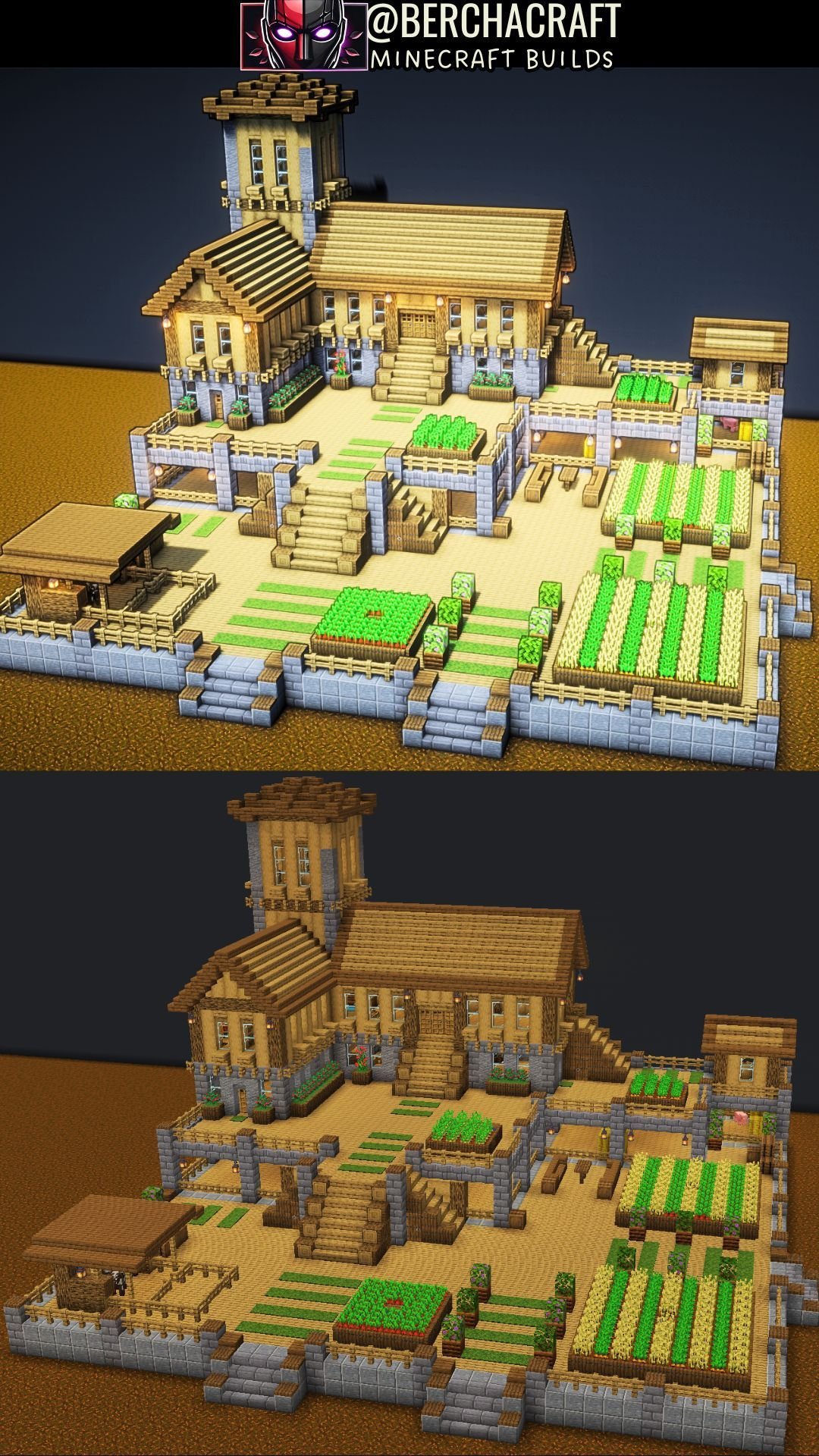
Embarking on a Minecraft survival journey often means building more than just a shelter; it's about crafting a home, a fortress, a legacy. And what better legacy to emulate than that of the Vikings—bold explorers, masterful builders, and legendary warriors? If you're looking to infuse your blocky world with the rugged charm and formidable strength of ancient Norse culture, then diving into Viking-Inspired Minecraft Survival Base Ideas is your next great adventure. Forget flimsy dirt huts; it’s time to construct your own Norse stronghold, a monument to your survival prowess.
At a Glance: Crafting Your Viking Haven
- Start with the Classic Longhouse: The heart of any Viking settlement, offering ample space and a central hearth.
- Fortify with Purpose: Walls, watchtowers, and strategic placement aren't just for looks; they're essential for survival.
- Embrace the Landscape: Build into cliffs, along coasts, or atop hills for both beauty and defense.
- Focus on Functionality: Integrate workshops, docks, and farms seamlessly into your design.
- Don't Forget the Details: Rune carvings, banners, and material choices truly bring the Viking spirit to life.
- Plan Your Layout: Think about resource flow, mob defenses, and community expansion from the start.
The Hearth of the North: Embracing Viking Building Principles in Minecraft
Before you lay down your first spruce log, it helps to understand the essence of Viking architecture. These weren't just buildings; they were reflections of a culture deeply connected to the land, community, and the harsh realities of their world. In Minecraft, this translates to bases that are not only aesthetically pleasing but also highly functional for survival.
Think robustness: strong, natural materials like wood, stone, and sometimes even thatch. Think community: designs that encourage gathering, feasting, and shared tasks. Think defense: structures positioned strategically to offer protection against the elements and, in Minecraft's case, hostile mobs. Your Viking-inspired base isn't just a place to sleep; it's a testament to your resilience and ingenuity.
Core Structures: Building Your Norse Settlement from the Ground Up
Every great Viking settlement began with a central hub, a place for life to unfold. In Minecraft, these core structures define your base's character and functionality.
The Classic Longhouse: Your Clan's Enduring Heart
When you envision a Viking home, the Longhouse immediately comes to mind. This isn't just a building; it's the social, functional, and spiritual center of your clan. In Minecraft, a Classic Longhouse means a lengthy, rectangular structure, typically crafted from dark oak or spruce planks and logs for a sturdy, rustic appearance.
Design Elements:
- Materiality: Emphasize dark wood tones. Think spruce logs for the frame and corners, dark oak planks for walls, and possibly cobblestone or stone bricks for the foundation.
- Roofline: A steeply pitched roof, perhaps with a slight overhang, is iconic. Use stairs and slabs to create this effect, and consider a contrasting material like stripped dark oak or stone for a decorative ridgecap.
- Interior: Keep it expansive. A central fireplace or hearth is paramount—not just for warmth but for cooking and crafting. Around it, arrange long tables and benches for communal feasts (using slabs and trapdoors). Incorporate individual sleeping areas, storage chests, and perhaps even a small animal pen section within the larger structure, mimicking the historical practice of housing livestock under the same roof for warmth.
- Details: Add intricate wood carvings using item frames with specific items, banners, or even custom textures if you're using resource packs. Torches, lanterns, and even glowstone cleverly hidden beneath carpets can provide essential lighting.
The Classic Longhouse serves as your primary residence, crafting hub, and a meeting point for any friends who join your world. Its generous footprint makes it highly adaptable as your needs grow.
Cozy Cottage: A Personal Retreat or Village Outpost
While the Longhouse is for the clan, sometimes you need a more intimate space. A Cozy Cottage, smaller in scale than a longhouse, offers a more personal touch or can serve as an individual dwelling within a larger Viking village. It’s perfect for a solo player or as a specialized outpost.
Design Elements:
- Compact Footprint: Focus on a smaller area, perhaps a 5x7 or 7x7 block base.
- Materials: Combine stone bricks for the lower walls with spruce or oak planks for the upper sections and roof. This gives it a charming, sturdy appearance.
- Interior: Optimize space. A compact fireplace, a small crafting area, a bed, and minimal storage are key. Rustic furniture crafted from wooden stairs and signs adds character.
- Exterior Touches: A small garden patch outside with wheat, carrots, or potatoes, surrounded by a low fence, immediately adds a sense of home and self-sufficiency. Trellises with vines or berries can soften the stone and wood aesthetic.
A Cozy Cottage provides a comfortable, self-contained base, ideal for when you need a quick shelter or a secluded spot for introspection (or inventory management).
The Great Hall: A Monument to Power and Community
Beyond the primary Longhouse, a Great Hall represents the pinnacle of a Viking settlement's communal life and power. This structure isn't just large; it's grand, designed to host feasts, celebrations, and important gatherings.
Design Elements:
- Soaring Ceilings: Utilize multiple levels or a very high roof to create an imposing interior space. Exposed dark oak or spruce beams stretching across the ceiling emphasize its grandeur.
- Feasting Tables: Long tables made from slabs, lined with benches, dominate the floor. Envision platters of food (item frames with cooked items) and barrels (barrels or upside-down stairs) filled with mead.
- Decorative Flair: Hang banners from the high walls, display weapons and shields using item frames, and ensure ample torch or lantern lighting to create a warm, inviting glow. A massive central fireplace or multiple hearths are essential focal points.
- Symbolism: This isn't just a building; it's a statement. Its size and decor should evoke a sense of strength, unity, and prosperity.
Building a Great Hall marks your settlement as a true center of Norse life, a place where legends are forged and stories are shared.
Defending Your Dominion: Fortifications & Strategic Placement
Viking life was not without peril. In Minecraft, this translates to preparing for mob attacks and securing your resources. A Viking-inspired base integrates defense seamlessly with its aesthetics.
Fortress of the North: Imposing Walls and Watchful Towers
A true Fortress of the North combines defensive practicality with a fearsome aesthetic. This isn't just a home; it's a stronghold designed to withstand sieges.
Design Elements:
- Robust Walls: Start with thick, sturdy walls. Stone bricks, cobblestone, and deepslate are excellent choices for a weathered, impenetrable look. Consider layering materials for visual depth—a cobblestone base with stone brick upper sections.
- Watchtowers: Integrate tall, imposing towers at strategic points along your walls. These provide excellent vantage points for fending off creepers, skeletons, and zombies. Equip them with platforms for ranged attacks and ladders for quick access.
- Grand Entrance: A large, reinforced entrance gate, perhaps made of dark oak fences or iron bars, flanked by small guardhouses, completes the fortress look. Use trapdoors to simulate portcullises.
- Battlements: Add crenellated tops to your walls and towers using stairs and slabs, allowing you to safely engage targets below.
A well-designed fortress isn't just about protection; it's a declaration of your dominance over the surrounding lands.
Hilltop Lodge: Strategic Views and Natural Defense
Building a Hilltop Lodge capitalizes on natural terrain for strategic advantage. Elevated positions offer sweeping views of your territory and natural chokepoints against invaders.
Design Elements:
- Integrated with Terrain: Rather than flattening the hilltop, build into and around its contours. Use natural stone and wood to blend the lodge with its surroundings.
- Panoramic Windows: Large windows (glass panes or even open gaps with trapdoors for defense) offer breathtaking views and allow you to spot threats from afar.
- Tiered Design: Multiple levels built into the slope can create a dramatic appearance and offer different functional zones.
- Strategic Overlook: Ensure your lodge has an easily accessible outdoor balcony or platform that provides a clear line of sight over your immediate area, perfect for surveying your domain.
A Hilltop Lodge isn't just defensible; it offers an inspiring vista that reinforces your role as a true ruler of the land.
Cliffside Mead Hall with a Waterfall: A Dramatic and Defensible Marvel
For those seeking truly unique Viking-Inspired Minecraft Survival Base Ideas, a Cliffside Mead Hall with a Waterfall offers both dramatic aesthetics and an intriguing defensive element. Imagine a grand hall carved directly into the face of a towering cliff, with a natural waterfall cascading through or alongside it.
Design Elements:
- Carved into Rock: The primary structure should appear to be hewn from the cliff itself. Use stone bricks, deepslate, and dark oak for a rugged exterior.
- Waterfall Integration: Design channels or open sections within the hall where the waterfall can flow. This provides a stunning visual and potentially a renewable water source within your base. Use blue or packed ice to simulate glacial water.
- Bridged Access: If the hall is split by the waterfall or a chasm, construct sturdy wooden bridges to connect different sections.
- Hidden Entrances: The cliff face offers opportunities for concealed entrances or secret passages, adding another layer of defense.
This challenging build truly sets your base apart, blending the raw power of nature with the strength of Norse architecture.
Resource & Trade Hubs: Sustaining Your Clan and Expanding Influence
A successful Viking settlement is self-sufficient and capable of trade. Incorporating specialized structures for resources and commerce is key to long-term survival.
Seaside Retreat: Fishing, Exploration, and Coastal Living
For players who love the ocean, a Seaside Retreat offers direct access to aquatic resources and a perfect launching point for exploration.
Design Elements:
- Cliffside or Beachfront: Position your base directly on a beach or built into a cliff overlooking the sea.
- Wooden Pier: A sturdy wooden pier (spruce or dark oak slabs and fences) extending into the water is essential. This allows for fishing, easy boat access, and aesthetic appeal.
- Fisherman's Hut: A small building near the pier for storing fishing rods, raw fish, and perhaps a smoker or campfire for cooking. Nets (using string and fences) can add a charming touch.
- Boat Storage: A sheltered area for your boats, maybe even a small dry dock for repairs or crafting new vessels.
A Seaside Retreat connects you directly to the bounty of the ocean, making fishing, marine exploration, and even underwater mining expeditions highly convenient.
Shipwright's Dock: Crafting the Drakkar and Beyond
Every Viking knew the importance of a sturdy ship. A Shipwright's Dock is where the magic happens, allowing you to construct and maintain your fleet of exploration vessels.
Design Elements:
- Large Docking Area: Design a substantial wooden dock, large enough to accommodate multiple boats, or even a partially built longship (Drakkar-inspired) as a centerpiece.
- Material Storage: Nearby sheds or open storage areas should hold an abundance of wood (logs, planks), wool for sails, and any other materials needed for shipbuilding.
- Workshop: A small workshop hut adjacent to the dock, equipped with crafting tables, anvils, and chests, makes for an efficient operation.
- Launchway: A gently sloping ramp or a cleverly designed piston-powered system to launch your completed vessels directly into the water adds a functional and realistic touch.
The Shipwright's Dock is crucial for those who dream of grand seafaring adventures, providing the infrastructure to build the vehicles for your exploration. If you're looking for pre-designed structures to kickstart your nautical dreams, exploring Viking schematics for Minecraft can offer fantastic blueprints for everything from small fishing boats to impressive longships.
Trading Post: The Hub of Commerce and Interaction
For those playing on servers or inviting friends, a Trading Post transforms your base into an economic center, facilitating resource exchange and social interaction.
Design Elements:
- Open and Inviting: Unlike defensive structures, a trading post should feel accessible. Use lighter woods like birch or oak, perhaps with colorful banners to draw attention.
- Stalls and Kiosks: Build small, individual stalls (using fences, slabs, and signs) where players can display items for trade via villager trading stations or chest shops.
- Social Area: Include a comfortable area with benches and a small fire pit where players can gather and chat.
- Clear Signage: Use item frames with specific items or custom banners to clearly indicate what's being traded.
A well-designed Trading Post can make your Viking settlement a popular destination, fostering community and providing vital resources through commerce.
Artisan Workshop: The Engine of Creation
No Viking settlement is complete without the means to craft tools, weapons, armor, and fine goods. An Artisan Workshop centralizes all your crafting needs.
Design Elements:
- Dedicated Space: A medium-sized building, constructed from stone and wood, specifically designed for crafting.
- Tools of the Trade: Include multiple crafting tables, furnaces, blast furnaces, smokers, anvils, grindstones, and brewing stands. Consider a dedicated enchanting area if space allows.
- Organized Storage: Implement an efficient storage system for raw materials, processed goods, and crafted items. Use labelled chests, barrels, and item frames.
- The Forge: A prominent forge area, perhaps with a decorative chimney and lava beneath iron grates, adds a thematic touch.
An Artisan Workshop streamlines your production, allowing you to efficiently equip your clan and craft all the necessities for survival and expansion.
Beyond the Mundane: Spiritual & Unique Builds
Viking culture had a rich spiritual side, and their ingenuity extended to adapting to even the most challenging environments. These unique builds add depth and character to your world.
Shrine of the Gods: A Place of Reflection and Myth
Injecting spirituality into your Viking settlement adds a layer of depth and narrative. A Shrine of the Gods offers a place for reflection, decoration, and a nod to Norse mythology.
Design Elements:
- Mystical Setting: Choose a serene location—perhaps a secluded clearing, a small island, or beneath an ancient tree.
- Totems and Altars: Construct altars from stone bricks, deepslate, or obsidian, adorned with decorative elements like candles, flowers, and perhaps a beacon or a well-placed End Crystal (if you dare!).
- Rune Carvings: Use custom banners or carefully placed blocks to simulate runic symbols.
- Natural Elements: Incorporate a small pond, a flowing waterfall, or a meticulously maintained garden to enhance the tranquil atmosphere.
A Shrine of the Gods serves as a powerful focal point, reminding you of the mythical underpinnings of your Viking inspiration.
Floating Longhouse on a Frozen Lake: An Innovative Challenge
For the truly ambitious builder, a Floating Longhouse on a Frozen Lake presents a unique blend of challenge and aesthetic reward. This demonstrates mastery over the environment.
Design Elements:
- Sturdy Support: The longhouse must be supported by robust wooden pillars (spruce logs or dark oak) that extend down into the frozen water, giving the impression of it being anchored to the lakebed.
- Snow-Covered Roof: A steeply pitched roof, heavily layered with snow (using snow blocks or carpets), gives it an authentic wintry look. Use spruce planks and solid ice blocks for the roof structure.
- Warm Interior: Contrast the cold exterior with a warm, inviting interior. A central fireplace, lanterns, and cozy furnishings are essential.
- Dock and Ice Fishing Hole: Include a small dock for ice fishing and access to the lake. A carefully constructed ice fishing hole (perhaps using trapdoors) adds a functional detail.
This impressive build signifies your ability to adapt and thrive in even the harshest of Minecraft's biomes, a true testament to Viking spirit.
Essential Viking Touches: Aesthetics & Details that Define Your Stronghold
Once the main structures are in place, it's the smaller details that truly elevate your base from "a bunch of blocks" to a living, breathing Viking settlement.
Material Palette: The Soul of Your Build
The choice of materials is paramount. Vikings used what was available, so emphasize natural, robust blocks.
- Wood: Spruce, Dark Oak, and Oak are your best friends. Spruce provides a darker, more rustic look, while Dark Oak adds a touch of grandeur. Oak can be used for contrast or lighter elements. Use logs for structural integrity, planks for walls, stairs/slabs for roofs and detailing.
- Stone: Cobblestone, Stone Bricks, and Deepslate (and their variants) create a solid, ancient feel. Use them for foundations, fortress walls, or rustic fireplaces. Andesite and polished blackstone can add sophisticated texture.
- Thatch/Roofing: While actual thatch isn't in Minecraft, hay bales, dark oak, or spruce slabs/stairs can simulate the dense, protective roofs.
- Accents: Banners (especially custom ones with Norse symbols), item frames with tools/weapons, armor stands, and even carefully placed flowers or mushrooms can add character.
Lighting: A Warm Glow in the Dark
Forget bland torch spam. Think about ambient lighting that enhances the atmosphere.
- Hearth Light: Your central fireplace or great hall hearth should be a primary light source, casting a warm, flickering glow.
- Lanterns: Hanging lanterns (chains with lanterns) offer a more authentic feel than torches.
- Hidden Glowstone: Place glowstone or shroomlights beneath carpets, inside wall cavities, or disguised with trapdoors for subtle, even illumination.
- Torches for Utility: Use torches sparingly in high-traffic outdoor areas or for quick temporary light.
Landscaping & Environment: Blending with Nature
A Viking base isn't isolated; it's part of the world. Integrate your base with its surroundings.
- Terracing: If building on a slope, use stone or wood to create natural-looking terraces.
- Paths: Simple paths made of coarse dirt, gravel, or path blocks connect your various structures. Add some mossy cobblestone for an ancient, overgrown feel.
- Vegetation: Plant custom trees (using saplings and bonemeal), add bushes (leaf blocks), and wild flowers. Create small cultivated areas for farms and animal pens.
- Water Features: Incorporate natural ponds, streams, or waterfalls where possible.
Decorative Details: The Devil's in the Runes
It's the small, thoughtful touches that truly bring your Viking vision to life.
- Runes and Symbols: Use item frames with specific items, banners, or even chiseled blocks to simulate runic carvings on walls or pillars.
- Banners: Custom banners can represent your clan, gods, or achievements.
- Weapon Displays: Armor stands with full sets of armor and item frames displaying swords, axes, and shields evoke a warrior spirit.
- Feasting Paraphernalia: Fill barrels, place item frames with cooked foods, and use candles on tables to prepare for imaginary feasts.
Planning Your Raid: Building Process & Survival Tips
Building a large-scale Viking base in survival Minecraft requires planning and patience. Here’s how to approach your grand project.
Choosing Your Location Wisely
Your chosen biome and terrain dictate much about your base's character and defensibility.
- Taiga/Spruce Forests: Ideal for abundant spruce wood, snowy landscapes, and a classic Norse feel.
- Mountains/Hills: Offer natural defense and dramatic cliffside building opportunities.
- Coastal Areas: Excellent for maritime themes, fishing, and easy access to water.
- Frozen Lakes/Tundras: Challenging but rewarding for unique ice-themed builds.
Consider proximity to essential resources like wood, stone, water, and food sources. Also, think about mob spawning—a flat, open area might be easier to light up and secure.
Resource Gathering: The Foundation of Your Empire
A large base demands vast resources. Prioritize efficient gathering from the start.
- Automated Farms: Set up automatic farms for wood (tree farm), stone (cobblestone generator), and food (crop farms, animal pens) early on.
- Mining Expeditions: Dedicate time to mining for stone, iron, coal, and other essential building blocks.
- Logistics: Plan how you'll transport resources to your build site. Minecarts, boats, or a trusty shulker box can be invaluable.
Phased Construction: Rome Wasn't Built in a Day (and Neither Was Valhalla)
Don't try to build everything at once. Break your project into manageable phases.
- Temporary Shelter & Resource Hub: Start with a basic secure shelter and your essential farms/mines.
- Core Structures: Build your main Longhouse or Fortress first to establish your primary living and crafting space.
- Defenses: Secure your perimeter with walls and lighting before expanding too much.
- Specialized Buildings: Add workshops, docks, or other theme-specific structures as your needs evolve.
- Details & Landscaping: This is the longest phase, where you refine aesthetics, add interior decor, and shape the surrounding environment.
Common Pitfalls to Avoid
- Underestimating Resource Needs: Always gather more than you think you'll need. Running out of a specific block mid-build is frustrating.
- Ignoring Mob Spawns: A dimly lit, sprawling base is a mob magnet. Ensure thorough lighting, especially in hidden nooks and crannies.
- Lack of Accessibility: Plan for easy movement between different sections of your base. Ladders, stairs, and clear paths prevent frustration.
- Scale Issues: Start with a rough outline or blueprint (even on paper) to ensure your structures are proportionate and fit together harmoniously. Using wool blocks as a temporary outline can save a lot of time and resources.
Your Saga Awaits: Forge Your Own Legend
Building a Viking-inspired survival base in Minecraft is more than just stacking blocks; it's an immersive experience that challenges your creativity, resourcefulness, and strategic thinking. From the communal warmth of a Longhouse to the imposing strength of a cliffside fortress, each structure you place tells a part of your story.
Embrace the rugged aesthetic, the functional design, and the spirit of exploration that defined the Vikings. Let your imagination run wild, experiment with different blocks, and don't be afraid to adapt your plans as your world evolves. Whether you're a lone explorer or leading a clan of fellow warriors, these Viking-Inspired Minecraft Survival Base Ideas provide the perfect foundation for your next grand adventure. So grab your pickaxe, sharpen your axe, and begin forging your own Norse legend in the blocky realms of Minecraft. Skål!